Breaking it Down: Bail vs. Bond with AA Best Bail Bonds
When a person is arrested, they usually have two options to secure their release while awaiting trial: bail or bond. However, many people don’t understand the difference between the two, and this lack of knowledge can be costly. That’s why AA Best Bail Bonds has put together this informative article to help you understand the differences between bail and bond, and which one is better for your situation.
Bail vs Bond: which one is better?
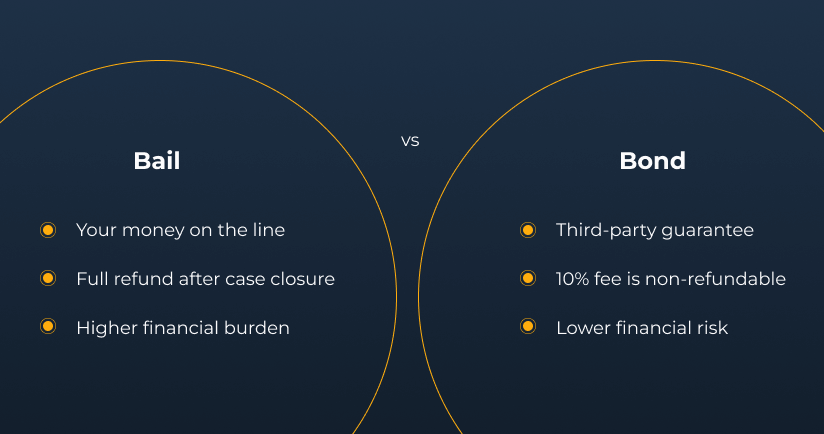
Bail and bond are two different things, and understanding the differences between them can be crucial. Bail is money that is paid to the court to secure a person’s release, while bond is an agreement between the court and a licensed bail bondsman. Bail is paid directly to the court and is often set at a high amount, making it difficult for many people to pay. Bond, on the other hand, requires only a fraction of the bail amount to be paid to the bail bondsman.
While bail may seem like the better option, it can be very difficult to come up with the full amount, especially if it is set at a high level. In contrast, a bail bond allows you to pay only a percentage of the bail amount, usually between 10% and 15%. This means that you’ll be able to get out of jail faster, and you won’t have to worry about coming up with a large sum of money all at once.
Get the scoop on bail vs bond with AA Best Bail Bonds!
If you’re not sure whether bail or bond is the better option for you, don’t worry. At AA Best Bail Bonds, we can help you understand the differences between the two and which one is better for your situation. We have years of experience in the bail bonds industry and can provide you with the knowledge and guidance you need to make an informed decision.
Our team of professionals is available 24/7 to answer your questions and guide you through the bail process. We understand that being arrested can be a stressful and confusing time, and we’re committed to helping you get through it as smoothly as possible. We’ll work with you to find the best solution for your situation and help you get back to your normal life as quickly as possible.
In conclusion, understanding the differences between bail and bond is essential when it comes to securing your release from jail. While bail may seem like the better option, it can be difficult to come up with the full amount, making a bail bond a better choice for most people. If you’re not sure which option is right for you, contact AA Best Bail Bonds today. We’re here to help you navigate the bail process and get back to your life as quickly as possible.
Article by:
201 Continental
Dallas, TX 75207
Phone: 214-741-3500